


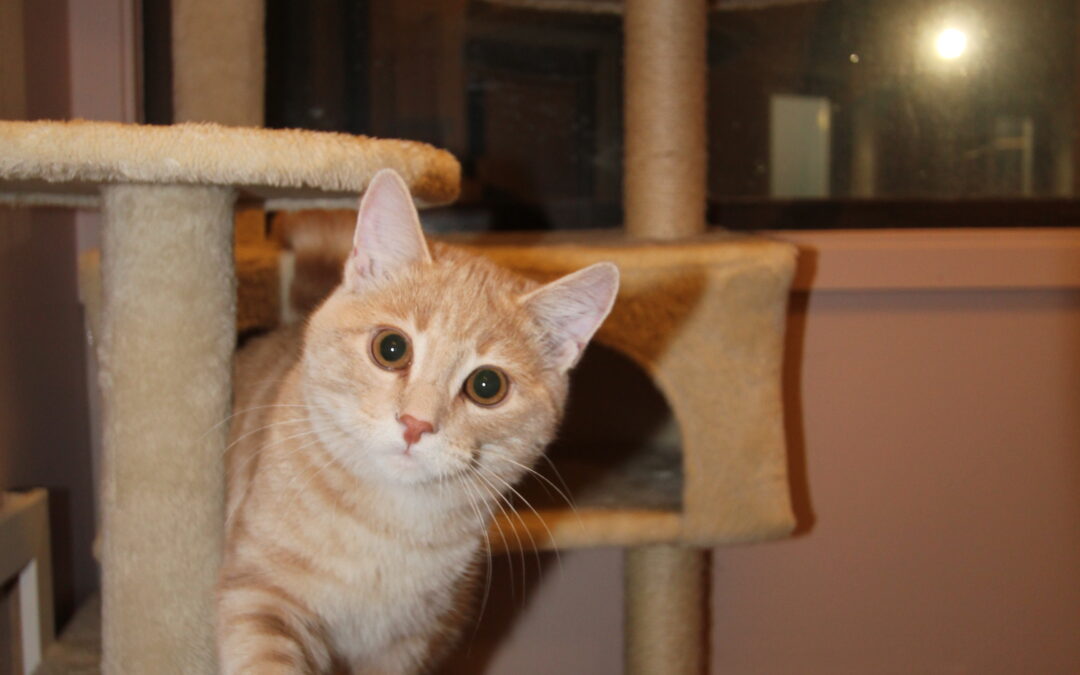
Leaving a timid cat in care can be nerve-wracking, and that is completely natural. However, with careful preparation and the right choice of care facility, the experience can be safe and positive. At Tassu & Tassu, we specialise in the care of timid and sensitive pets, and based on our practical experience, we know how to create a stress-free environment.
Why does a timid cat become stressed in a cattery?
A cat’s stress stems from a loss of the feeling of control. Cats are territorial animals whose well-being is built on familiar routines, scents, and sounds. A new place is filled with unfamiliar stimuli that trigger their survival instincts. Stress raises a cat’s cortisol levels, which can manifest as loss of appetite, hiding, digestive issues, or susceptibility to urinary tract infections. A cat’s stress is always a serious risk to its well-being.
| Cause of Stress | Effect on the Cat |
|---|---|
| New environment and scents | Fear, uncertainty, hiding |
| Strange people | Distrust, withdrawal, hissing |
| Sounds and scents of other cats | Territorial behaviour, anxiety |
| Changed routines (feeding, sleeping) | Confusion, loss of appetite |
Key point: A cat’s stress is caused by a loss of the feeling of control and insecurity in a new environment.
How do I choose a suitable cattery for a timid cat?
Choosing the right cattery is the most critical step when planning to take a timid cat into care. The most important factors are the calmness of the environment, the individual facilities for the cat, and the professionalism of the staff. Avoid catteries where cats are kept in communal areas, as a timid cat needs its own safe den.
At Tassu & Tassu, each cat has its own spacious room. Our staff, trained in animal care, are accustomed to working with timid and especially sensitive pets, such as rescue animals. You are always welcome to visit us. This way, you can see our facilities for yourself, sense the calm atmosphere, and meet us.
Checklist for choosing a cattery:
- Does the cat have its own separate room with hiding and climbing opportunities?
- Is the overall atmosphere calm and quiet?
- Does the staff have training and proven experience in caring for timid cats?
- Is it possible to visit the cattery beforehand?
- How does the cattery communicate the cat’s well-being during the care period?
Key point: Choose a cattery that focuses on the individual well-being of the cat and offers the opportunity for a visit.
What can Tassu & Tassu do to ease the experience for a timid cat?
Our mission is to continue from where your preparation ends. The role of a professional cattery is to give the cat back the feeling of control.
Each room at Tassu & Tassu has levels, tunnels, and hiding spots. Our trained animal carers know how to read a cat’s subtle signals and always approach the cat on its terms. We never force a cat into contact but allow it to come to us when it is ready. We closely monitor its well-being, eating, and drinking.
Key point: Professional staff and an environment designed for the cat’s needs are crucial for the successful care of a timid cat.
What should I consider when picking up a timid cat from the cattery?
The care period does not end at the cattery door, as returning home requires as much patience as preparing for a timid cat’s care. Allow the cat to come out of the transport carrier at its own pace. Even though home is familiar, the cat needs time to process its experience.
Be prepared for these typical reactions and approach them calmly:
- Hiding: Do not force the cat out. Just ensure that food, water, and a litter box are easily accessible near its hiding spot.
- Loss of appetite: Offer small portions of the cat’s favourite treat. Gently warming wet food can enhance the aroma and may entice it to eat.
- Changed behaviour towards other pets: If there are other animals at home, they may hiss at the newcomer due to the unfamiliar scent. Keep the animals separate at first and gradually reintroduce them through scent.
Key point: Patience and ensuring a calm environment are essential for the cat’s adjustment after the care period.
Summary
With the right preparation, taking even a timid cat into care can be a positive experience. Success is a combination of your careful preparation and our professional, cat-centred care. Our cattery in Helsinki is designed to provide a safe and calm environment even for the most sensitive feline friends.
Explore our services and pricing. If you have any questions, do not hesitate to contact us – we are here for you.
Frequently Asked Questions
How can I tell if my cat is too timid for a cattery?
An extremely timid, panic-prone, or aggressive cat may not be a suitable candidate for a cattery. If the change is overwhelming for the cat, a home-based carer may be a better solution. The best way to find out is to come for a visit, where we can assess the situation and your cat’s reactions together.
Can a timid cat get used to a cattery over time?
Yes, absolutely. Most timid cats adapt and even relax when experiences are positive. Gradual preparation, professional care, and initially shorter stays build trust. Each successful visit makes the next one easier for both the cat and the owner.
Can medication alleviate a cat’s stress during the care period?
Yes, but only under veterinary guidance. If your cat tends to experience severe anxiety, discuss possible calming medications with your vet. Never medicate your cat on your own. Provide any medications to us with clear, written dosing instructions, and we will ensure they are administered safely.
What if my cat does not eat at the cattery?
Loss of appetite is a typical sign of stress, and we continuously monitor eating. We try different approaches: offering the owner’s brought favourite food, warming it to enhance the aroma, or finding a calm moment for feeding. If the cat has not eaten for over a day, we always contact the owner and consult a vet if necessary.
What items should I bring when delivering a timid cat for care?
The most important thing is to bring familiar scents. Pack your cat’s own bed or blanket, a favourite toy, and even a worn t-shirt of yours. These help create a sense of security in the new place. Remember to also bring any special food and medications with clear dosing instructions to ensure your cat’s well-being.