


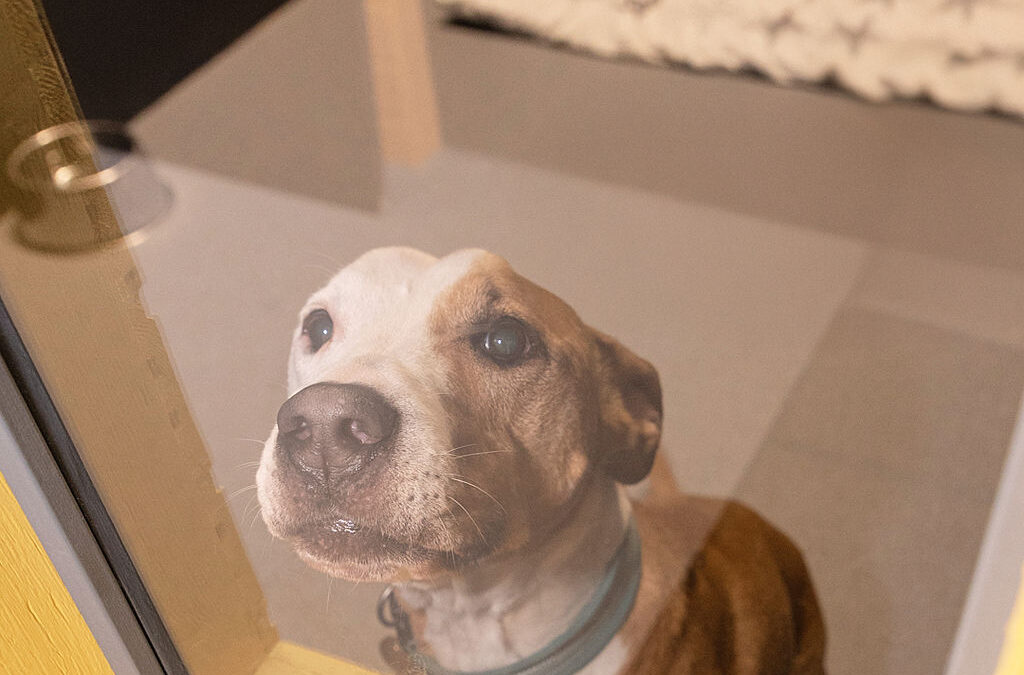
Dog separation anxiety is a genuine panic disorder that manifests when a dog is left alone. If heart-wrenching howling, shredded sofas, and puddles on the floor are a familiar sight when you return home, your dog is not acting out – it is in distress. This deep anxiety is not disobedience, and fortunately, with consistent effort, it can be managed. I will go through seven tested methods that I have used to help numerous dogs and their owners overcome the fear of being alone.
What is dog separation anxiety and how does it manifest?
Dog separation anxiety is a panic disorder-like condition in which a dog becomes extremely anxious when left alone without its owner. It is not merely boredom, but a genuine state of emergency that requires active treatment. Symptoms typically begin shortly after the owner leaves, often within 30 minutes. The dog may bark or howl incessantly, tear at walls and door frames to escape, or relieve itself indoors due to stress. An estimated 20–40% of dogs experience some degree of separation anxiety during their lives, making it important to recognise the condition.
| Symptoms | Separation Anxiety | Boredom or Lack of Stimulation |
|---|---|---|
| Behaviour | Panic-driven, focused on escaping (doors, windows) | General destruction, playful or frustrated |
| Vocalisation | Constant, anxious barking, howling, or whining | Occasional barking, for example, in response to sounds |
| Relieving Itself | Urinating and defecating indoors, even if the dog is house-trained | Less common, may relate to inadequate training |
| Timing | Begins shortly after the owner leaves (usually < 30 min) | Can begin at any time during the alone period |
| Reaction to Owner’s Return | Overly excited, calming takes a long time | Normal or happy greeting |
Key Point: Separation anxiety is a real panic disorder, not just destructive behaviour or boredom.
What are the most common causes of dog separation anxiety?
The causes of dog separation anxiety are often a complex mix of genetics, environmental factors, and sudden life changes. There is rarely a single cause; rather, it is a combination of many factors. Some breeds are naturally more sensitive, but the most significant triggering factor is almost always a change in the dog’s routine: moving house, changes in family routines (e.g., returning from remote work to the office), a new family member, or the loss of another pet. A single trauma, such as experiencing a severe thunderstorm alone, can also trigger fear. Rescue dogs with backgrounds of abandonment experiences are particularly vulnerable. At the Pet Hotel Tassu & Tassu, our trained animal caregivers know how to create a safe and calm environment specifically for these particularly sensitive pets.
Key Point: The background of separation anxiety often involves a complex mix of genetics, environment, and life changes.
How is dog separation anxiety diagnosed?
A reliable diagnosis is based on a veterinary examination to rule out physical ailments and video recording the dog’s behaviour during alone time. The first step is always to ensure with a veterinarian that there is no pain, urinary tract infection, or other medical reason behind the behaviour. Once illnesses are ruled out, behaviour analysis begins. The most effective tool for this is a video camera. Record your dog while it is alone, especially during the first hour after you leave. The video will reveal whether it is genuine panic or boredom. A professional trainer or behaviour consultant can interpret the video and create an effective treatment plan based on it. Our dog daycare staff also continuously makes valuable observations of dogs’ behaviour.
Key Point: A reliable diagnosis requires a veterinary examination and video recording of the alone time to verify symptoms.
How can dog separation anxiety be treated? 7 methods
Treating dog separation anxiety is based on consistent behaviour therapy aimed at teaching the dog that being alone is safe and predictable. Treatment is a marathon, not a sprint, and requires patience. Punishment always worsens the situation, as it increases fear and breaks trust. Focus on positive, proven methods.
- Check Health Status: Always ensure with a veterinarian first that there is no pain or other physical ailment behind the symptoms. This is the foundation of treatment.
- Start Consistent Behaviour Therapy: Practice being alone systematically and gradually. Start with just a few seconds of absence and gradually extend the time according to the dog’s tolerance. Do not make departures and arrivals a big deal.
- Desensitise to Departure Cues: Put on your coat and take your keys, but do not leave. Repeat this until the dog no longer reacts to these cues. Teach the dog to also calm down in its own place.
- Increase Stimulation and Independence: Provide the dog with safe interactive toys during alone time, such as food-filled rubber toys or lick mats. These give the dog meaningful activities and help associate being alone with something positive.
- Utilise Support Products: Products recommended by veterinarians or pharmacies, such as calming pheromone diffusers or Zylkène® capsules, can support behaviour therapy and alleviate the dog’s anxiety.
- Consider Medication in Severe Cases: If anxiety is very severe, a veterinarian may prescribe mood medication to support behaviour therapy. Medication alone does not cure separation anxiety, but it can help the dog be more receptive to training.
- Seek Professional Help: If you do not see progress within a month, it is time to call in a professional. An experienced problem dog trainer or behaviour consultant can provide a new perspective on the situation. In the daily grind, pet daycare is an invaluable help that ensures the dog has a safe and stimulating day.
Key Point: Treating dog separation anxiety is a marathon that requires consistent, positive reinforcement-based training.
What help is available for dog separation anxiety?
Help for dog separation anxiety can be obtained from veterinarians, dog trainers committed to positive methods, and professional care facilities such as pet hotels. Do not face the problem alone. Always start with a veterinarian. Next, find a trainer or animal behaviour consultant who will build an individual treatment plan for you. Since training takes time, daily life must continue. This is where a professional care facility comes into play. At Tassu & Tassu Pet Hotel, we offer your dog a safe haven for a day or longer. Our location in Helsinki along the Raide-Jokeri line and near the train station makes us an easy stop on the way to work, the airport, or the harbour.
Key Point: Do not face the problem alone – take advantage of the help offered by veterinarians, trainers, and reliable care facilities.
Summary
Dog separation anxiety is a challenging but conquerable problem. Success boils down to three things: correctly identifying the symptoms, ruling out illnesses with a veterinarian, and committing to patient, positive behaviour therapy. Remember, you do not have to get through this alone. Help is available, and using it is wise.
When daily life feels overwhelming, a professional dog daycare or stimulating pet daycare is the best solution. It provides both you and your dog with the necessary breather. We at Tassu & Tassu are here for you. Feel free to contact us or book a care spot.
Frequently Asked Questions
What to do if a dog has separation anxiety?
The first step is to take the dog to the veterinarian to rule out physical causes. After that, contact a trainer familiar with positive methods to plan behaviour therapy. Never punish the dog for symptoms, as this worsens fear. Support measures such as pheromone products and professional daycare can be invaluable in daily life while you practice being alone.
How long does treatment for dog separation anxiety take?
Treatment duration is individual and depends on the level of the dog’s anxiety and the consistency of training. Mild cases may improve within a few weeks, but deeply rooted anxiety often requires months, sometimes even over a year of work. Patience and regular, short training sessions yield the best results. Progress is not always linear.
Can dog separation anxiety be completely cured?
Yes, with the right treatment, most dogs learn to be calm when alone. This requires the owner’s commitment to long-term and positive behaviour therapy. Although the underlying sensitivity to anxiety may never completely disappear, symptoms can be managed, and the dog’s quality of life improves dramatically. The goal is relaxed and safe alone time.
How can a pet hotel help with separation anxiety?
A quality pet hotel is a lifesaver in daily life. It provides the dog with a safe and stimulating place during workdays or holidays, where alone time does not need to be practiced under pressure. This gives the owner peace of mind and allows for focus on training without stress. Our dog daycare offers flexible options for both daycare and longer care periods.
Is dog separation anxiety a common problem?
Yes, it is very common. Estimates suggest that 20–40% of dogs suffer from some degree of alone time issues during their lives. This means that up to two out of five dogs may become anxious when left alone. So you are not alone in your problem, and effective help and peer support are available.
What is the difference between separation anxiety and boredom?
Separation anxiety is panic, while boredom is frustration. An anxious dog tries to escape and seeks help immediately after the owner leaves – it howls, drools, and destroys escape routes such as doors and windows. A bored dog, on the other hand, finds things to do by randomly destroying items, and this can happen at any time during alone time.